
Breaking the Cycle: Understanding and Healing Transgenerational Trauma

You may know that your hairline comes from your dad’s side and your eye color from your mom. You might also be aware that diabetes, heart disease, or Parkinson’s run in your family. But have you ever considered that your family might have passed down more than just physical traits and health risks? Emotional wounds and trauma can also travel through generations, shaping how you feel, behave, and cope with life’s challenges.
Understanding how trauma moves from one generation to the next can help you recognize patterns in your family and, most importantly, give you the power to change them. This post explores what transgenerational trauma is, how it affects families, and how you can begin healing to create a healthier future for yourself and your loved ones.
What Is Transgenerational Trauma?
Transgenerational trauma refers to the emotional pain and stress that families pass down from one generation to another. This trauma can come from experiences like abuse, addiction, racism, war, or mental health struggles that were never fully addressed or healed.
Before birth, a baby is already affected by the mother’s emotional state. When a mother feels joy, her body releases hormones that help the baby feel safe and happy. But when she experiences fear, sadness, or anger, those feelings can also influence the baby’s development. After birth, the environment a child grows up in continues to shape their emotional health. If parents were raised in homes filled with conflict, neglect, or abuse, they might unknowingly repeat those patterns with their own children.
This cycle of trauma can lead to:
Negative emotions like anxiety, depression, or low self-esteem
Poor coping skills such as substance abuse or withdrawal
Difficult relationships and communication problems
Increased risk of chronic health issues
Understanding this cycle is the first step toward breaking it.
How Trauma Moves Through Families
Trauma doesn’t always show up as obvious scars or stories. Sometimes it hides in behaviors, beliefs, and emotional responses that feel normal because they have been part of family life for so long.
For example, a family with a history of addiction might pass down not only the genetic risk but also patterns of denial, secrecy, and emotional distance. Children growing up in such homes may learn to suppress feelings or avoid conflict, which can affect their mental health and relationships.
Another example is families affected by racism or violence. The fear and stress experienced by one generation can create a lasting impact on how future generations view themselves and the world. This can lead to feelings of mistrust, anger, or helplessness that are difficult to overcome without support.
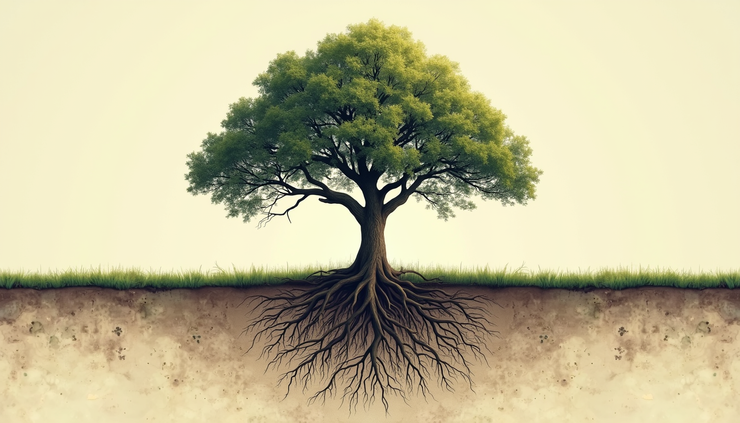
Signs You Might Be Experiencing Transgenerational Trauma
Recognizing transgenerational trauma can be challenging because it often feels like just part of who you are. Here are some signs that your family history might be affecting your emotional well-being:
Difficulty trusting others or forming close relationships
Repeating unhealthy relationship patterns
Feeling anxious or fearful without a clear cause
Struggling with low self-worth or self-sabotage
Using substances or other coping methods to numb emotions
Experiencing chronic stress or unexplained health problems
If you notice these patterns in yourself or your family, it may be time to explore the roots of these feelings.
How You Can Break the Cycle
The good news is that transgenerational trauma does not have to define your life or your family’s future. You can be the person who stops the cycle and creates a new legacy of healing and love.
Here are some steps to help you begin:
1. Acknowledge Your Family History
Understanding where your feelings and behaviors come from is powerful. Talk with family members if possible, or reflect on your own experiences to identify patterns.
2. Seek Professional Support
Working with a mental health professional can provide you with tools to process trauma and develop healthy coping strategies. Therapy approaches like trauma-informed care, cognitive-behavioral therapy (CBT), or family therapy can be especially helpful.
3. Build Healthy Communication
Practice open and honest communication with your loved ones. Express your feelings and listen without judgment. This helps create a safe space for healing.
4. Develop Self-Compassion
Be kind to yourself as you work through difficult emotions. Healing takes time, and it’s okay to have setbacks.
5. Create New Traditions
Replace old, harmful patterns with positive habits. This could be regular family check-ins, mindfulness practices, or activities that promote connection and joy.
The Impact of Healing on Future Generations
When you choose to heal, you not only improve your own life but also influence the lives of your children and grandchildren. Breaking the cycle of trauma can lead to:
Stronger, more supportive family relationships
Improved mental and physical health
Greater emotional resilience
A sense of hope and empowerment
Your efforts can create a ripple effect, helping future generations grow up in a healthier environment.
If you feel ready to explore therapy or want guidance on how to start healing from family trauma, please reach out. Support is available, and you don’t have to face this journey alone.